Saturday, August 6, 2011

Buckwheat

Buckwheat (Felicita Park)

Buckwheat is one of the most common desert plants that can be seen almost everywhere. It endures heat very well and adds refreshing green in the spring.

Thursday, May 5, 2011

Black Sage

 Black sage (Picture taken in Escondido, CA)

Black sage is a very common plant in Southern California, it occurs quite frequently in a chaparral desert. It does like some water though. This plant is famous for medicinal use though I don't know what exactly you can do with it except add a leaf or two in your cooking to spice it up a bit.

Black sage is one of the several varieties of sages, other common species being white sage and purple sage. They are also known as salvias.

Tuesday, May 3, 2011

Datura

 Datura (Picture takes in Wilderness Gardens near Pala, CA)

Well, this one was really an exciting discovery. I first noticed this plant in Wilderness gardens near Pala Indian Reservation but I didn't know what plant it was. Only later i was able to identify it as datura or jimson weed, a plant that can be used as a poison or rather made into a psychedelic concoction to induce visions.

Well, since then I have seen it in other places. It grows wild though it is not really a common plant. It seems to like desert environment. It has beautiful white flowers. I have no idea what part of plants is used for trips though I suspect it's a flower or seed. Anyway it really stands out in desert.

Datura is part of the Nightshade family (Solanaceae)

Friday, April 29, 2011

Mesquite

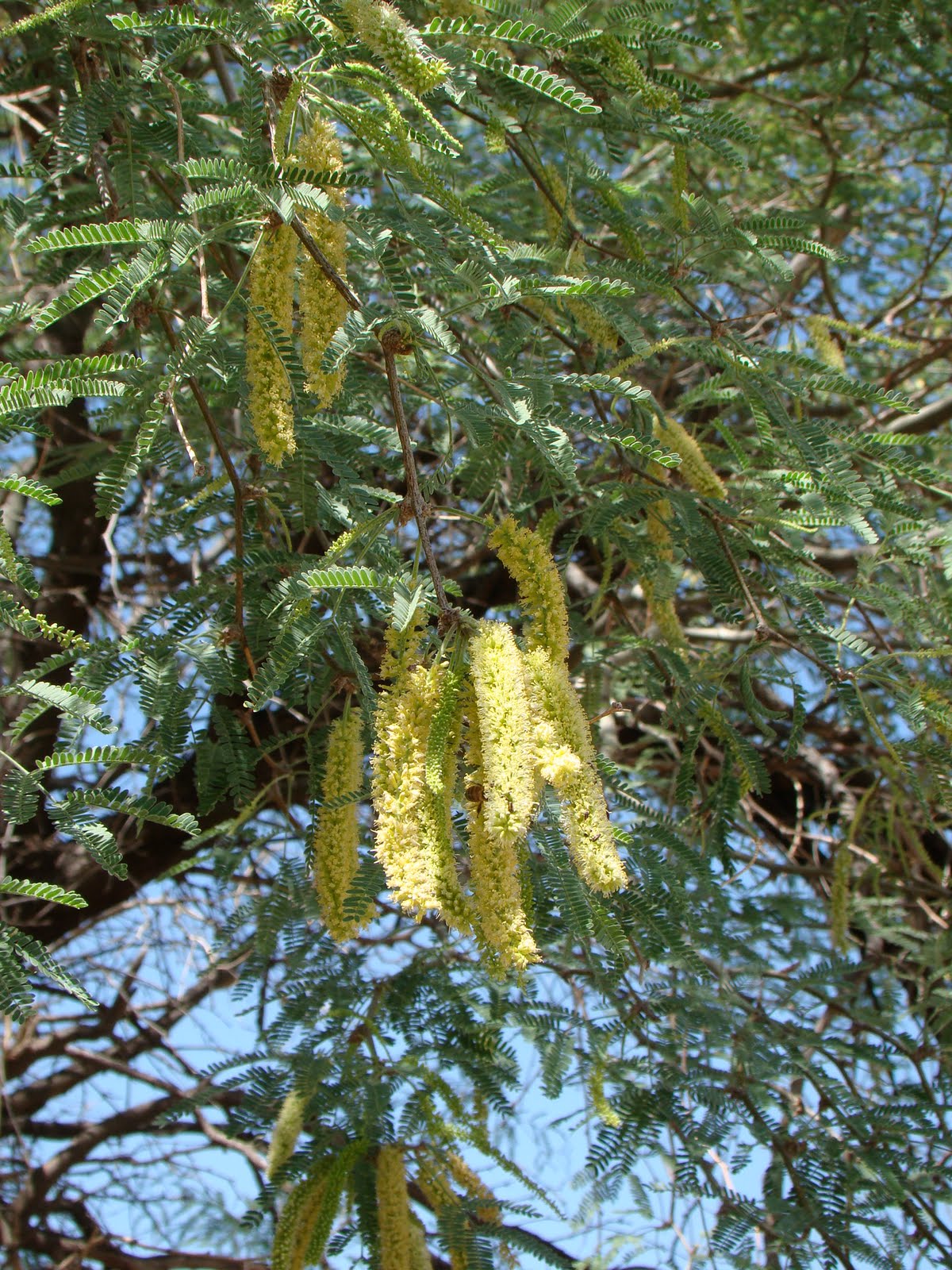
 Mesquite tree (Casa Grande ruins, Coolidge, Arizona)

If you find yourself in a desert in Southern California or Arizona, chances are you will see mesquite bush around. It's one of the sturdy plants, sometimes bush, sometimes a tree that is thriving in a desert environment. American Indians used the seeds of the plant to make bread.

Rue

 Rue (Picture taken in Tucson Botanical Gardens)

Rue is also called herb of grace. It was used in culinary arts, medicinal arts and religious rituals. It has small oval leaves and fluffy yellow flowers.

Monday, April 25, 2011

Creosote Bush

 Creosote (Picture taken in Casa Grande Ruins)

Ah, I've heard so much about this plant. The name itself always excited me. Travelling through Indian country one can learn that American Indians used the plant for medicinal purposes. It still grows in abundance in desert country like Arizona and desert parts of California.

I expected it to smell like creosote (though I don't know how creosote smells) but I could not detect any smell. Perhaps Indians cooked it and the heating would release the smell. It has sticky oily substance that is released when you rub the leaves but it does not have any aroma.

Creosote bush (Picture taken in Joshua Tree National Park)

Another creosote bush had little white puffy balls. My guess is they are seeds. As you can see there are flowers and white puffs on the same bush. It's fairly common in plants.

Cresoste bush is called Larrea tridentata in Latin and is part of family Zygophyllaceae.

Mystery of Jojoba

 Bladderpod plant (Picture taken in Joshua Tree National Park)

Wha'd'yah'know? As soon as the mystery of epazote was solved, another one appeared. This time it's a mystery of jojoba plant. The mystery is the one of identification. This plant was growing in abundance in Joshua Tree National Park but I could not find any labeled plant in the botanical exhibit. Anyway, until confirmed otherwise, we'll consider it jojoba (Edit: the plant is actually Cleome isomeris, see note below).

A few facts about jojoba. It's a desert plant and male and female flowers grow on different plants. The leaves are smooth and turn sideways to the sun so not to expose the whole surface and thus prevent moisture evaporation. In that particular area there were several plants with brights yellow flowers, including creosote bush and desert senna.

The plant on photograph has numerous pods that smell like fresh peas but the seeds are very small. I am not sure it is really jojoba.

Jojoba (Simmondsia chinensis) is the only species of the family Simmondsiaceae (Jojoba family). Chinensis means "of Chinese origin".  Strangely enough, in spite of the name jojoba does not originate in China. It grows in the deserts of California, Arizona and Mexico.

Note. As it turned out, the plant above is not a jojoba but bladderpod (Cleome isomeris, also known as Isomeris arborea).  It does grow in the desert. The plant has big four-petaled yellow flowers and it is part of the family Cleomaceae that is closely related to Brassicasiae hence the morphological resemblance. In some systems it is still considered part of Brassicaseae. Peritoma arborea is another name for this plant.